Free Legal Aid and Consumer Protection for Seniors in North Carolina
Free Legal Aid and Consumer Protection for Seniors in North Carolina
Seniors in North Carolina who need help with civil legal matters such as wills, housing disputes, or consumer issues have access to several public programs. These resources focus on free or low-cost services through state and local channels. Availability depends on case priorities, funding, and your specific details. Always check directly with the official sources for current information.
Types of legal and consumer help available to seniors
Legal Aid of North Carolina operates a Senior Law Project for residents age 60 and older. It offers assistance with wills and powers of attorney, public benefits like Medicaid or Social Security, housing matters such as evictions, consumer problems, and issues involving abuse or neglect. The program gives priority to those with the greatest economic need.
The North Carolina Department of Justice Consumer Protection Division handles complaints about scams and fraud, with a focus on matters affecting people age 65 and older. It provides alerts and tips but does not represent individuals in private cases.
Wake County offers self-help options through its Legal Support Center and library programs. These cover basic guidance on court forms and processes for family and housing issues but do not provide representation or legal advice.
How to locate approved providers through official channels
Contact Legal Aid of North Carolina to start. Use the Senior Legal Helpline at 877-579-7562, available Monday through Friday in morning and afternoon slots. Apply online through their JusticeHub portal or call the general line at 866-219-5262.
For scam or fraud complaints, reach the North Carolina Department of Justice at 1-877-566-7226 or submit details through their consumer protection website.
In Wake County, visit the Legal Support Center at 316 Fayetteville Street in Raleigh, Room 125, during weekday hours from 8:30 a.m. to 5 p.m. Call 919-792-5374 for details. The Lawyers in Your Library program runs monthly free 30-minute sessions with volunteer attorneys at county libraries on family and housing topics. Check the Wake County website for current dates and locations.
What information to gather before reaching out
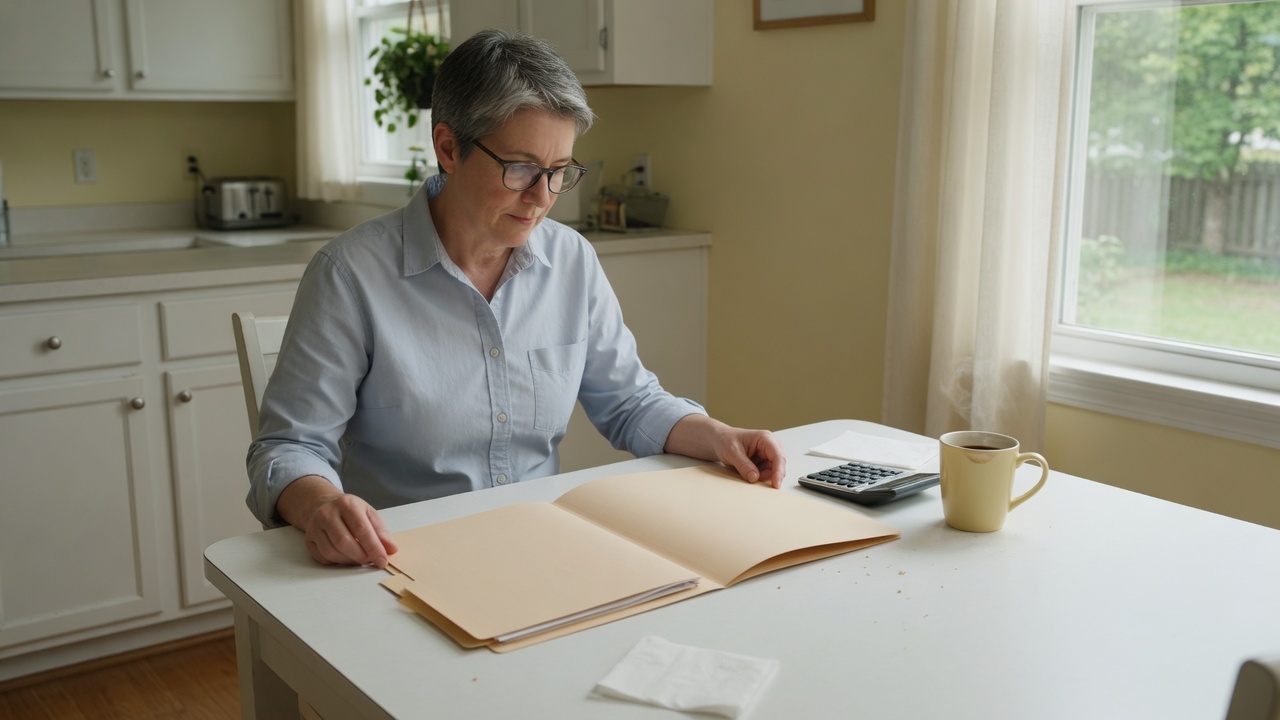
Prepare basic details like your age, county of residence, and a description of the issue. Have supporting documents ready, such as income statements if requested, contracts, bank statements, or court papers. Note any deadlines that apply to your situation.
Different programs handle different types of cases. Legal Aid focuses on prioritized civil matters for seniors. Self-help centers assist with forms and referrals. The Department of Justice takes complaints about patterns of fraud but directs individuals to other help for personal representation.
North Carolina and Wake County specific considerations
Services in Wake County connect to statewide programs. The courthouse location in Raleigh is accessible for Triangle residents. Library sessions rotate across Wake County sites, which can reduce travel for those in Cary or nearby towns.
Eligibility for full legal representation often ties to income and case type. The Senior Law Project emphasizes economic need but does not guarantee acceptance for every request. Exact income guidelines can change, so confirm on the official sites.
These programs cover civil matters only. Criminal cases or complex estate administration typically require a private attorney. Medicare questions fall under a separate counseling service rather than legal aid.
Questions to ask when contacting a resource
Ask whether your issue falls within their current priorities. Inquire about wait times, required documents, and what services they can actually provide if accepted. Request referrals if the program cannot assist directly.
Confirm any fees or costs in advance. Ask about alternatives if the program has limits on case acceptance.
When to speak with a licensed professional
Public resources can point you toward options and offer self-help tools. For personalized review of contracts, disputes, or estate matters, contact a licensed North Carolina attorney. The North Carolina Bar Association maintains a lawyer referral service for paid initial consultations.
Start with the programs above to understand the basics. Then use the Ask a Question page here or speak with a licensed professional who can look at your individual circumstances.
You might also like