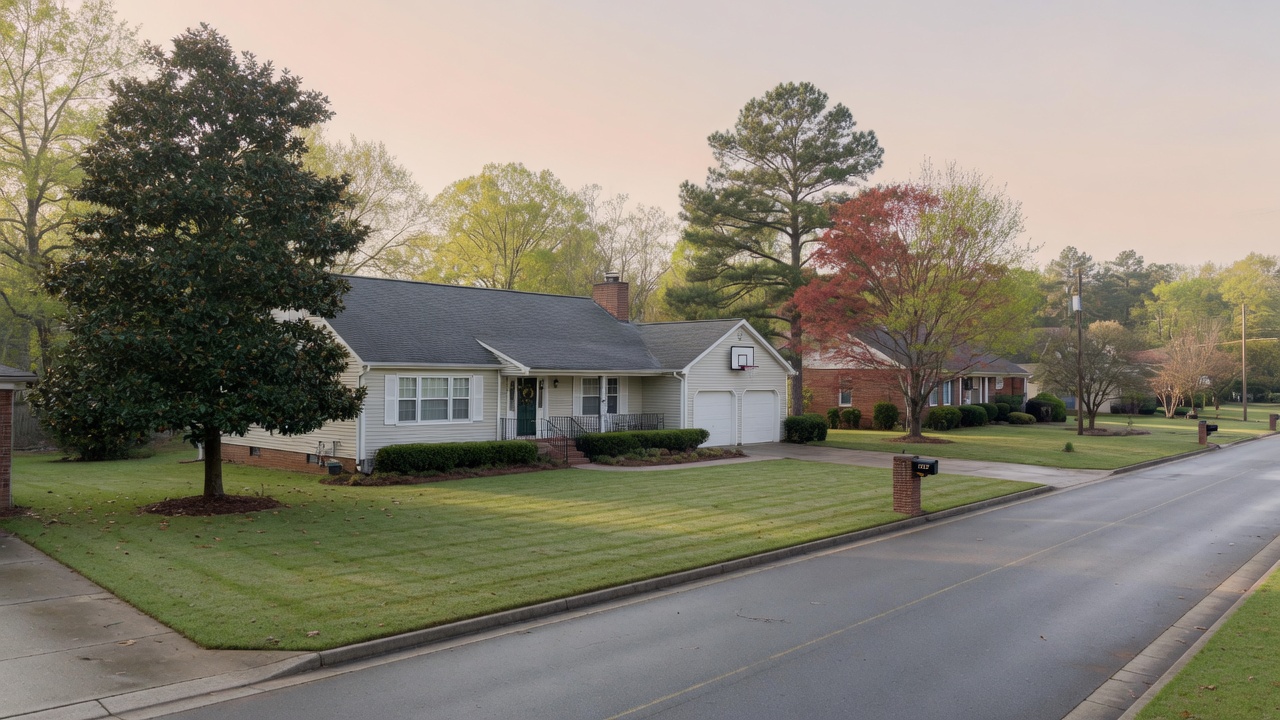
Local senior resources and programs in Wake County and Cary
Local senior resources and programs in Wake County and Cary
Wake County offers several senior resources and programs for retirees living on a fixed income. If you are retired or getting close to retirement and living in Cary, Apex, Morrisville, Holly Springs, or elsewhere in Wake County, there are public programs and local services worth knowing about. They cover everything from community classes and social activities to property tax relief and in-home support. None of them require you to be in financial hardship to start exploring, though eligibility rules vary depending on the specific program.
This guide walks through the main categories, where to look for official information, and what to have ready before you contact an agency. It does not replace the application process or eligibility review that each program requires. For that, you will need to go directly to the official sources linked below.
Senior centers and community programs
The Town of Cary runs a senior center that is open to adults 55 and older. It offers classes, recreational activities, clubs focused on things like gardening and technology, group trips, and other programs. If program fees are a concern, the center has a scholarship fund called Play It Forward that can reduce costs for qualifying participants. Cary residents get priority for enrollment.
Beyond the Cary center, Resources for Seniors operates and supports senior centers across Wake County. They also coordinate home and community-based services such as companion care, home repair assistance, and adult day care. You can visit their website at resourcesforseniors.org to see what is available near you.
These community programs are generally open to a broad range of older adults, not just those with low income. They are a reasonable first stop if you are looking for social connection, structured activities, or a way to learn about other local services through people who work in this space every day.
Housing and property tax assistance options
For homeowners in Wake County, North Carolina authorizes several property tax relief programs that can reduce the tax burden for qualifying residents. These are administered by Wake County Tax Administration, but the rules come from state law, so the framework is similar across North Carolina counties.
The main programs include:
- Homestead exclusion for homeowners 65 or older, or those who are 100 percent permanently disabled. This can exclude part of your home's assessed value from taxation, depending on income and ownership requirements.
- Circuit breaker option that caps your property tax at a percentage of your income if you have owned and occupied your home for five or more years.
- Disabled veteran exclusion for qualifying veterans with a service-connected disability.
The primary application deadline is typically June 1, with late applications considered case-by-case for reasons such as illness or military deployment. Deadlines can change, so always verify current details on the Wake County Tax Administration website.
There is a more detailed breakdown of how these programs work in our guide on how property tax relief works in Wake County.
Healthcare and long-term care support resources
Wake County Senior and Adult Services, part of the county's Department of Social Services, focuses on helping older adults and adults with disabilities stay independent in the community. Their programs include:
- Special Assistance In-Home , which provides case management and monthly payments for eligible individuals who need support to remain at home.
- Adult Protective Services , which responds to concerns about abuse, neglect, or exploitation of older or disabled adults.
- Adult Day Services and monitoring of adult care facilities.
- Guardianship services for individuals who need someone appointed to make decisions on their behalf.
The county's Western Human Services Center in Cary is a convenient access point for western Wake residents including Cary, Apex, and Morrisville. Through that office, you can inquire about Medicaid, food and energy assistance, transportation support, and other human services without driving to downtown Raleigh.
At the state level, the North Carolina Department of Health and Human Services (DHHS) Division of Aging and Adult Services oversees planning and coordination for older adult programs statewide, including a long-term care ombudsman. Local agencies handle the actual intake and service delivery. The DHHS website at ncdhhs.gov/divisions/division-aging is a reasonable starting point for understanding the broader state framework.
Consumer protection and financial education services
One resource that often gets overlooked is the Seniors' Health Insurance Information Program, known as SHIIP. It is run by the North Carolina Department of Insurance and provides free, unbiased counseling on Medicare, Medicare supplements, Medicare Advantage plans, Part D prescription drug plans, and long-term care insurance. Trained volunteer counselors are available in all 100 North Carolina counties. The toll-free number is 855-408-1212.
SHIIP does not sell insurance or recommend specific plans. They walk you through your options and help you understand what you are looking at, which can be especially useful during Medicare's annual open enrollment period.
For broader consumer protection concerns, including questions about financial fraud or pressure tactics targeting retirees, our guide on recognizing and reporting scams that target retirees in Cary and Wake County covers where to report concerns and how to check whether a professional or company is properly licensed.
How to verify and apply for local programs
Before you reach out to any agency, it helps to have a few things in order:
- A clear sense of what you are looking for: activities and social connection, property tax relief, in-home support, insurance guidance, or something else.
- Basic personal information ready, including your age, address, household size, and a general picture of your income.
- Any documentation that might be requested, such as proof of homeownership, disability verification, income records, or military discharge papers depending on the program.
Official websites are the best place to start. Here are the main ones to bookmark:
- Wake County Senior and Adult Services : wake.gov, under Departments, Social Services
- Wake County Tax Administration : wake.gov, under property tax relief programs
- Town of Cary Senior Center : carync.gov, under Recreation and Enjoyment, Facilities
- Resources for Seniors : resourcesforseniors.org
- NC DHHS Division of Aging : ncdhhs.gov/divisions/division-aging
- SHIIP (Medicare counseling) : ncdoi.gov, under Consumers
Program names, eligibility rules, income limits, deadlines, and available services can change. What was true last year may not be true this year. Always check the official page or call the agency directly to confirm current details before making decisions based on what you read online, including here.
Questions to ask before applying
When you contact a county office, nonprofit, or state agency, a few questions can save you time:
- What documents do I need to bring or upload?
- Is there an application deadline, and what happens if I miss it?
- Does this program have income or asset limits, and how are those calculated?
- Will applying for one program affect my eligibility for another?
- Is there a waitlist, and if so, how long is it typically?
- Who do I contact if my situation changes after I apply?
You do not need to have all the answers before you call. These agencies expect to walk people through the process. But showing up with your basic information and a few questions tends to make the conversation more productive.
When to talk to a professional
This guide covers public programs and general categories of local support. It does not replace advice from a licensed professional who can look at your specific income, tax situation, health needs, or housing costs.
If you are trying to sort through property tax relief, Medicare choices, insurance options, or how different programs fit together for your household, it is worth speaking with someone who works in that area. For Medicare and insurance questions, SHIIP counselors are a free starting point. For tax or legal questions, a licensed tax preparer or attorney in the Triangle can review your situation.
And if you are not sure where to begin, you can always ask a question through our site and we will do our best to point you toward the right resources.
You might also like