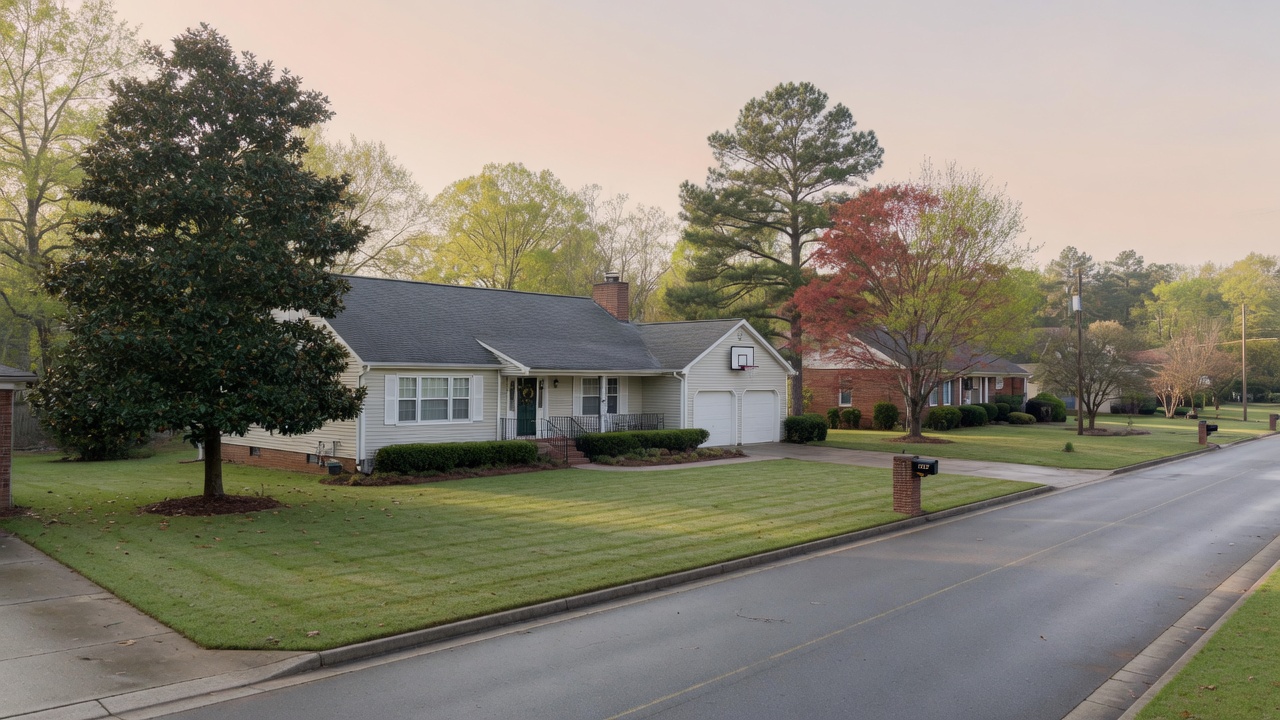
Reverse mortgage basics for Wake County homeowners on fixed income
Reverse mortgage basics for Wake County homeowners on fixed income
Homeowners in Cary, Apex, and other Wake County towns who reach retirement age sometimes explore ways to access home equity without monthly payments. A reverse mortgage, specifically the federally insured Home Equity Conversion Mortgage or HECM, lets eligible seniors convert equity into cash. The loan grows over time and gets repaid later, usually when the home is no longer the primary residence.
What is a reverse mortgage?
A reverse mortgage is a loan available to homeowners who are at least 62 years old. The most common version is the HECM, backed by the Federal Housing Administration. It does not require monthly repayments as long as the borrower keeps the home as their main residence, pays property taxes and insurance, and maintains the property. The borrower keeps the title and ownership of the home.
Available proceeds depend on the homeowner's age, the home's value or the FHA limit, current interest rates, and other factors. For 2026, the HECM maximum claim amount is $1,249,125. Lenders use the lesser of the appraised value or this limit to calculate what can be borrowed.
How repayment and loan growth work
The loan balance increases over time because interest and fees add to the total owed. There are no required monthly payments, but the debt must be settled when the last borrower or eligible non-borrowing spouse dies, sells the home, or moves away permanently. Permanent move typically means the borrower has been away from the home for more than 12 consecutive months.
The loan is non-recourse. This means the borrower or heirs will never owe more than the home's value at the time of repayment. Heirs can sell the home to pay off the balance and keep any remaining equity, or they can pay the balance from other funds to keep the property.
Main costs and eligibility concepts
Several costs apply. There is an upfront mortgage insurance premium equal to 2 percent of the home value or maximum claim amount. An annual mortgage insurance premium runs at about half a percent of the loan balance. Lenders can charge an origination fee, capped at $6,000. Other closing costs like appraisal and title work usually apply as well.
Basic eligibility includes being 62 or older, owning the home outright or having enough equity, living in the home as the primary residence, and completing required HUD-approved counseling. In North Carolina, lenders must be authorized by the Commissioner of Banks, and counseling from a HUD-approved agency is mandatory before moving forward.
Reverse mortgage proceeds generally do not count as income for most benefit programs. However, any unspent funds may count as an asset for programs like Medicaid in North Carolina. The details depend on individual spending and state rules.
What can change the answer for local residents
Wake County offers property tax relief programs for seniors 65 and older or those who are disabled. The Homestead Exclusion and Circuit Breaker deferment options can reduce or defer taxes based on income. These programs exist separate from any mortgage and require taxes to stay current. A reverse mortgage does not change eligibility, but the borrower must still meet the tax payment obligation to avoid default.
Interest rates, home values, and personal finances all affect how much a reverse mortgage might provide. Exact proceeds require a professional appraisal and lender calculation. Future changes to FHA rules or North Carolina regulations could also shift the picture.
Compared with a traditional home equity loan or HELOC, a reverse mortgage removes the need for monthly payments but usually carries higher fees and requires the counseling step. Selling the home provides cash without ongoing debt but means moving and finding new housing in the Triangle area.
Questions to ask a licensed professional
- How does the loan balance grow under current rates and terms?
- What are the total costs, including all fees and insurance premiums?
- How will this interact with property taxes, homeowner insurance, and any existing Wake County tax relief?
- What happens to heirs and the home after the borrower is no longer living there?
- How does the loan affect Medicaid or other benefit calculations in North Carolina?
- What maintenance and occupancy rules must be followed to keep the loan in good standing?
North Carolina requires HUD-approved counseling, and readers can search the HUD website for counselors in the Raleigh and Chapel Hill areas. Local resources like the NC Commissioner of Banks handle lender authorization questions.
This article explains general mechanics and considerations for informational purposes only. It does not offer individualized advice on housing, lending, taxes, or benefits. Rules and outcomes vary by age, home value, income, household details, and other factors. Readers should consult a licensed professional who can review their specific situation and verify current details with Wake County Tax Administration or other agencies as needed.
For more on housing costs and fixed-income living in the Triangle, see housing costs on fixed income. Or share your question on the ask a question page.
You might also like